
Reviewed · TEMPLE & HERITAGE WALKS
Taipei’s Origin & Longshan Temple – Taiwan Cultural Tour
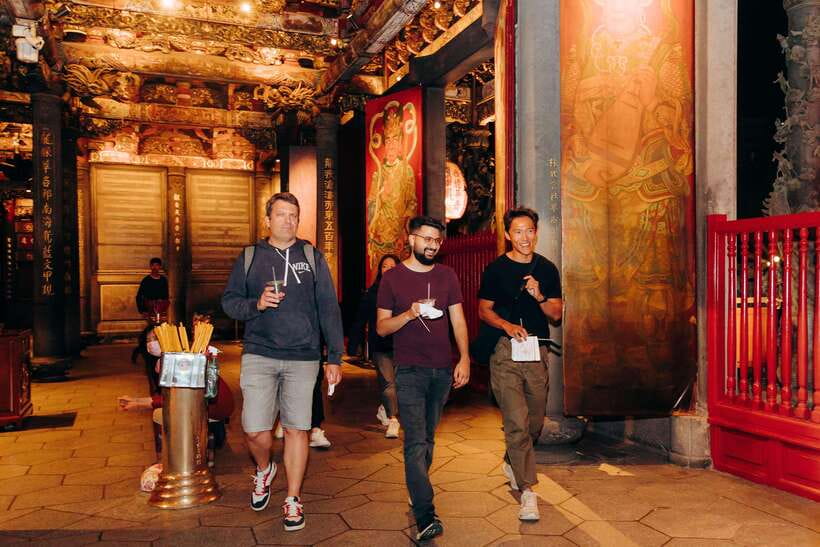
Taipei’s Longshan Temple is more than a beautiful place of worship. It is a working spiritual center where more than 100 folk gods are asked for help with health, study, romance, travel, and luck. This 2.5-hour walking tour connects those rituals to Taipei’s beginnings and to ordinary Taiwanese life.
I like the focus on real stories rather than a quick photo stop, and I like that the guide explains how to use moonstones and read messages from the gods. Leo has been praised for his enthusiasm and for giving much of his time as a volunteer. The main consideration is that this is a tip-based tour, so the $1 booking price is not the full cost.
Key points at a glance
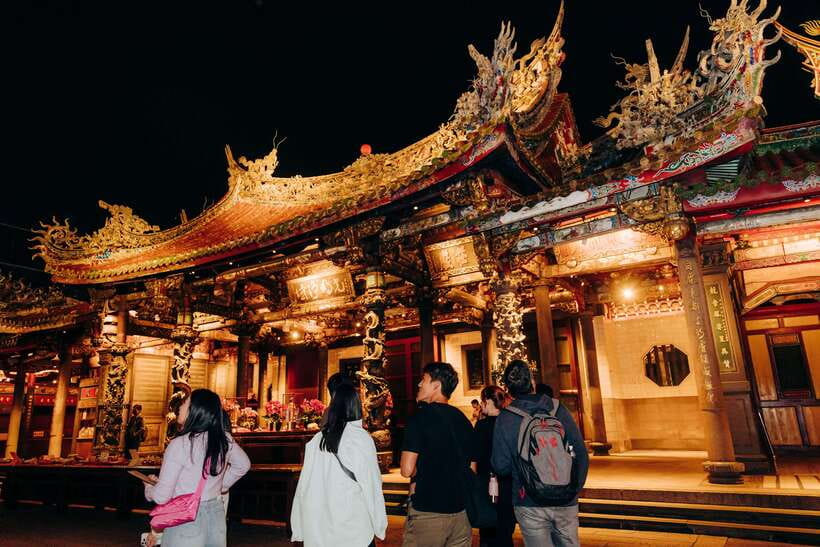
- Longshan Temple’s many gods: Learn why different folk gods are linked to study, romance, the sea, battles, and other parts of life.
- Hands-on temple customs: See how moonstones are thrown and how worshippers seek answers from the heavens.
- Taipei’s beginnings: Hear how early residents made their way in Taiwan and dealt with illness before modern doctors.
- English-speaking guidance: The tour is conducted in English, with Leo identified as one guide who may lead the experience.
- A true walking format: Start at Longshan Temple Station Exit 1 and finish back at the same meeting point.
- A low booking price with a separate tip: You pay $1 per person to reserve, then decide what to give the guide.
Why Longshan Temple is the right place to begin
If you want to understand Taiwanese culture, Longshan Temple gives you a useful starting point. The temple brings together Buddhist and Taoist traditions with local folk belief, so you are not getting a narrow lesson about only one religion.
The setting also helps make the stories practical. The temple is home to more than 100 folk gods, each connected with different needs and concerns. One may help with learning, another with romance, while others oversee areas tied to the sea or battles.
That variety tells you something important about Taiwanese religious life. Worship is not presented as one large, abstract system. Instead, people turn to particular gods for particular problems. You can use this tour to understand why a temple may feel like a spiritual help desk, a place of memory, and a community meeting point all at once.
The temple is decorated with colorful dragons, which add visual interest as you move through the site. The tour is not simply a walk around the architecture, though. Its main purpose is to explain the meaning behind the gods, stories, and customs you encounter.
More temple and heritage walks in Taipei:
- Taipei: National Palace Museum E-Ticket
★ 4.4 · 273 reviews - Taipei City Morning Tour with National Palace Museum entry
★ 4.0 · 232 reviews - Taipei: Morning City Tour with National Palace Museum Entry
★ 4.6 · 173 reviews
Taipei’s origin through everyday survival
The tour also looks beyond the temple to the origin of Taipei. The focus is on how ancestors lived in Taiwan and how they handled illness before doctors were available.
That subject matters because it puts religion into daily context. Medical care, luck, family needs, education, romance, and safety were not separate parts of life. People had to make decisions with the tools available to them, and folk belief helped explain and manage uncertainty.
You may find this part especially useful if you have already seen Taipei’s modern side. The city is easy to experience through department stores, food streets, and transport hubs, but its older identity can be harder to spot on your own. A guide can connect present-day surroundings with the people and customs that came before them.
The tour description does not promise a large museum display or an elaborate historical lecture. Expect stories, explanations, and a walking conversation. That makes the experience a good fit for you if you prefer cultural context in plain language rather than a long academic presentation.
Meeting the guide at Longshan Temple Station
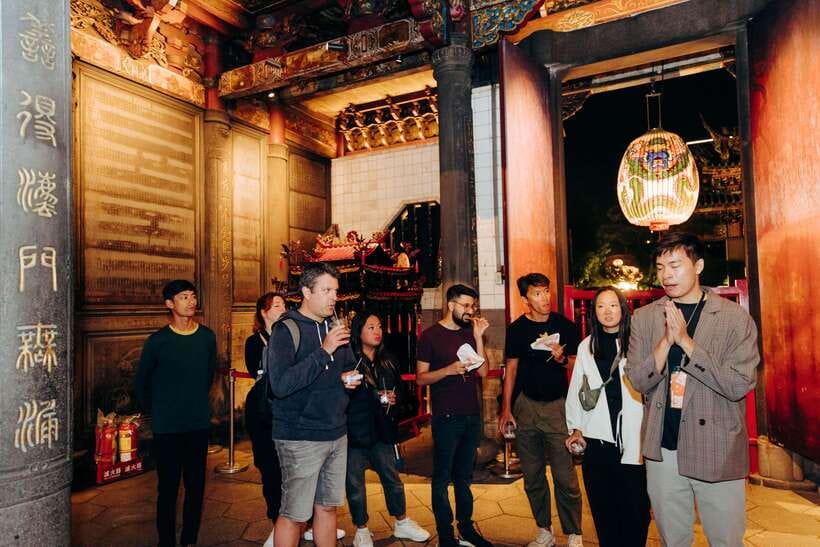
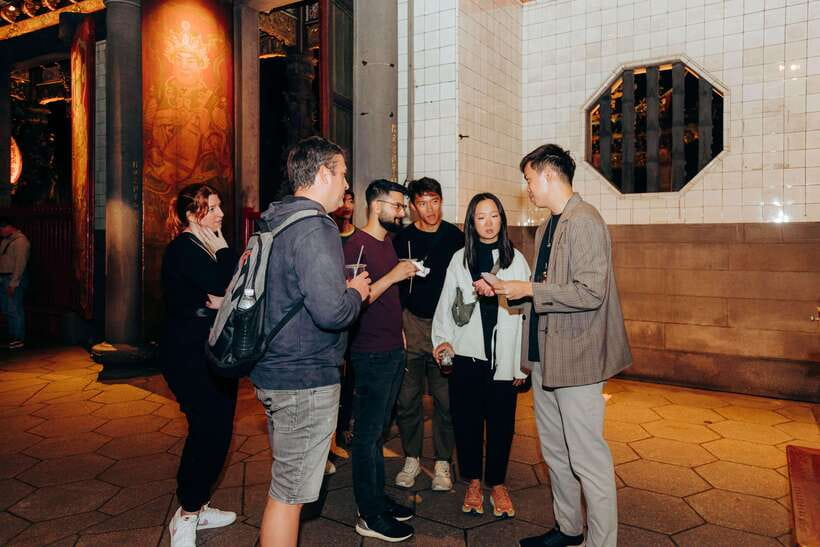
You meet at Longshan Temple Station Exit 1. Look for the guide wearing an orange badge. This is a simple meeting point, but pay attention to the exact exit, since large city stations can have several ways out.
The tour ends back at the meeting point, which makes planning easier. You do not need to arrange a separate ride from an unfamiliar part of Taipei at the end. It also means you can continue exploring the area afterward or return to your accommodation using the same station.
The activity lasts about two and a half hours. That is enough time for more than a rushed temple visit, but it is still short enough to fit into a morning or afternoon plan. I would avoid booking it at the tightest possible point between other reservations. A walking tour works best when you have time to listen and look around instead of checking the clock.
The supplied location information identifies Nantou County, while the meeting point is clearly in Taipei at Longshan Temple Station. Because those details do not match, confirm the current meeting information before you go. The stated start point is the detail you should use for planning, but the mismatch is worth checking with the operator.
Meeting folk gods with specific jobs
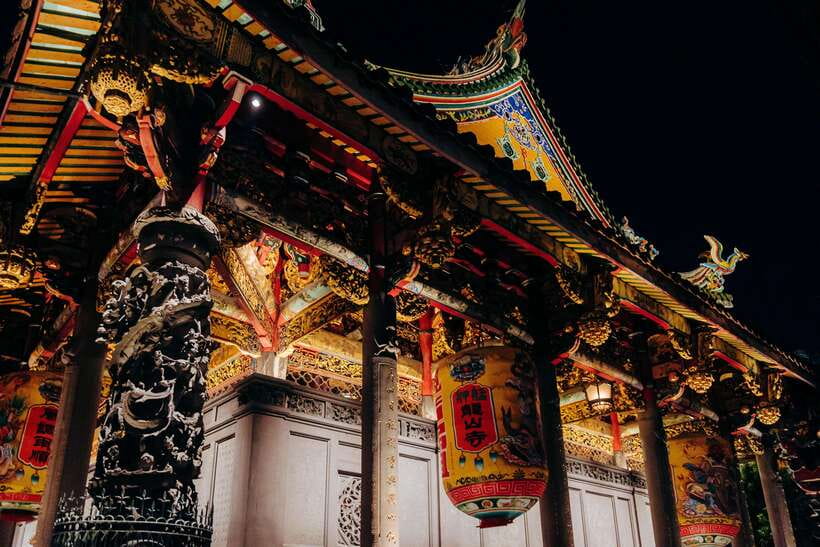
One of the most useful parts of the experience is learning that the temple’s gods are not treated as interchangeable figures. The guide introduces gods with different roles, giving you a clearer idea of how people bring personal questions into the temple.
Wenchang Dijun is associated with learning. If you are interested in the way education is tied to religious practice, this is a particularly helpful example. The Old Man Under the Moon is connected with bringing couples together, offering a window into how romance and fate are expressed through temple tradition.
Other gods oversee subjects such as the sea and battles. These connections show how religious life responded to the risks people faced. The stories are not only decorative legends. They reflect work, family, study, danger, and hopes for a better future.
Your guide’s job here is to give those figures a human meaning. Instead of remembering a long list of names, you can begin to understand why a person might approach one god rather than another.
A few more Taipei trips worth a look
- Taipei Historic Shared Walking Tour
★ 5.0 · 189 reviews - Taipei Cooking Class & Market Adventure in Historic Dadaocheng
★ 5.0 · 77 reviews - Taipei: Cooking Class & Market Adventure Historic Dadaocheng
★ 4.9 · 17 reviews - Taipei Foodie + History Walking Tour
★ 5.0 · 10 reviews
Trying moonstones and seeking an answer
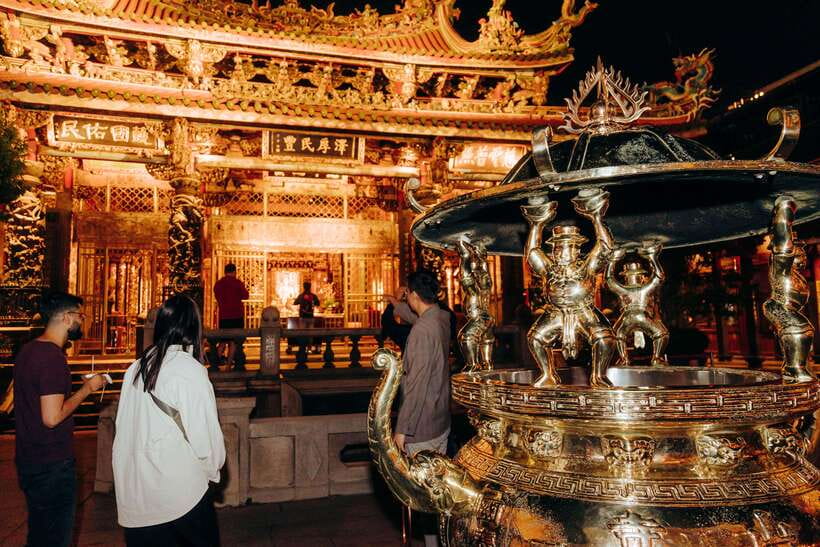
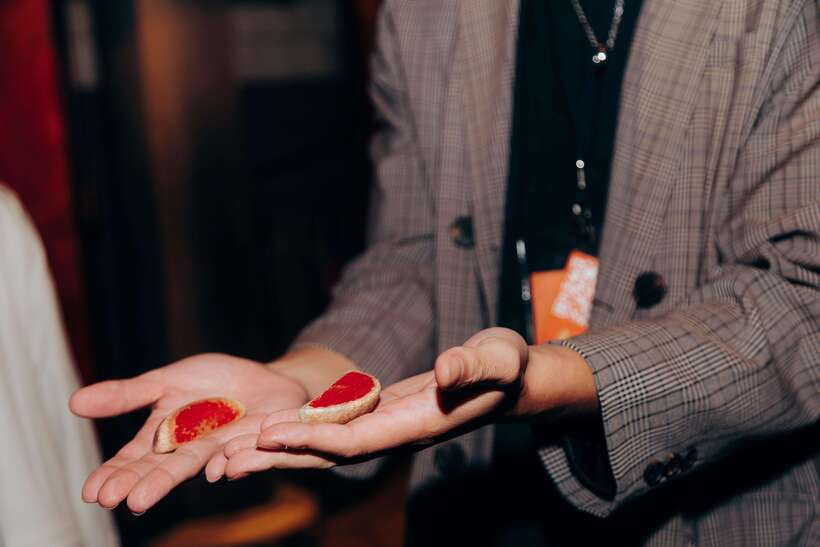
The tour includes an explanation of how to throw moonstones and interpret the response. This is one of the more hands-on parts of the visit, and it gives you a way to take part in a custom rather than only watch from the side.
The point is not to treat the ritual like a game. The guide shows you how people frame a wish or question and how they read the result. That process reveals the careful relationship between worshipper and god. You ask, receive a sign, and consider what it means.
You may also have the chance to get your fortune read. The supplied details do not specify exactly how every fortune reading is conducted, so listen closely to the guide’s instructions on the day. The value is in learning the practice and the ideas behind it, not in expecting a guaranteed prediction.
This part may appeal to you if you enjoy cultural activities that involve participation. If you prefer to observe quietly, you can still learn from the explanation without treating the ritual as a personal test.
Buddhism, Taoism, and local belief together
Longshan Temple offers a chance to see how Buddhism, Taoism, and folk religion have shaped one another in Taiwan. The tour explains these traditions as part of the temple’s long life, rather than placing them in separate boxes.
That combined approach is useful because religious sites in Taiwan may reflect several traditions at once. A visitor who expects a single style of worship can miss the point. Here, the guide helps you understand why different gods and practices can share the same sacred setting.
The experience is not presented as a specialist course in theology. It is a practical introduction aimed at showing you what the customs mean and how they fit into Taiwanese life. I like that balance. You get enough background to understand what you see, without losing the walking tour’s sense of place.
The guide’s English matters here. Religious terms can be hard to follow when translated word for word, so a clear explanation can make the difference between noticing a ritual and understanding it.
A guide-led experience, not a self-guided checklist
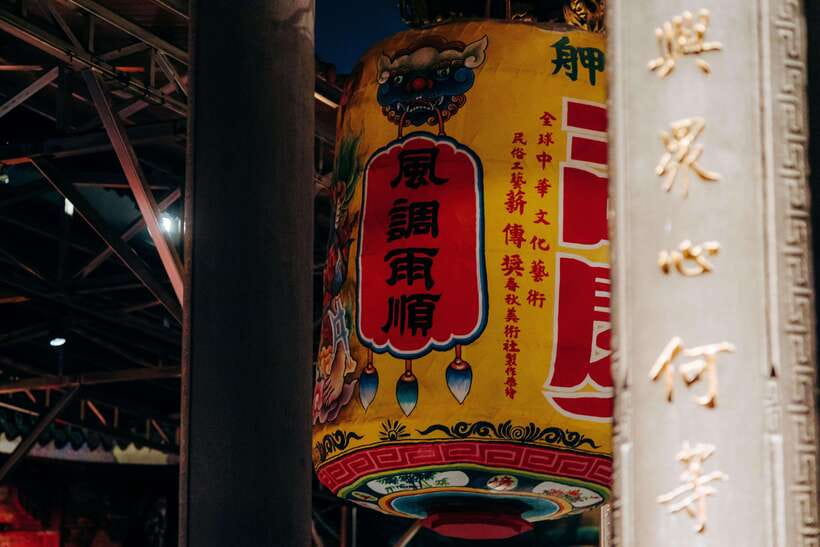
The tour’s strongest feature is its storytelling. The description centers on authentic Taiwanese stories, folk gods, healing customs, and the ways ancestors lived. Those subjects are difficult to absorb from a signboard alone.
Leo is specifically associated with the experience, and his enthusiasm has been singled out. He is also described as doing much of the work as a volunteer. That detail helps explain the tip-based structure and sets a different expectation from a standard fixed-price excursion.
You should arrive ready to listen and ask questions. The more curious you are, the more useful the walk is likely to be. Ask about the gods, the temple customs, or the way people treated illness, and you can turn a basic sightseeing stop into a broader conversation about Taiwan.
At the same time, a tip-based format can vary from a conventional paid tour. The $1 booking charge does not include the guide’s tip. Plan to give a fair amount at the end if the guide provides the service you came for. The final cost is therefore partly in your hands.
What the $1 price really means
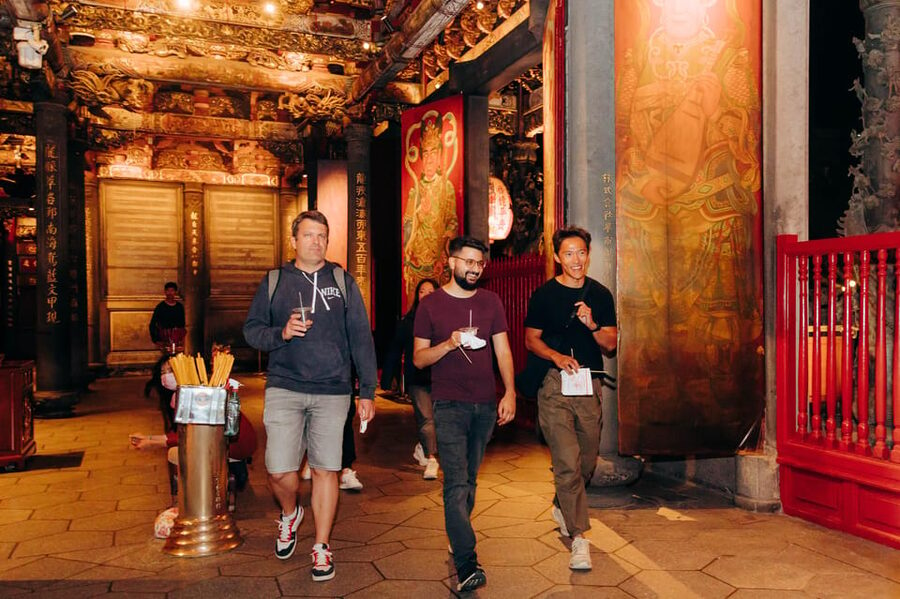
At $1 per person, the booking price is unusually low. That makes the tour an easy addition to a Taipei itinerary, especially if you want cultural background without committing to an expensive half-day excursion.
But you should not read the price as meaning the experience has no cost. The tip is separate and is not included in the booking fee. Think of the $1 as a reservation charge for a tip-based walk, not as the complete price.
This arrangement can offer good value when you want an introduction to Longshan Temple and Taipei’s origins. You receive an English-speaking guide, local stories, and recommendations, while keeping your schedule flexible. The value depends on how much you use the guide’s explanations and how you judge the service at the end.
The 4.6 rating from 19 reviews gives the tour a positive signal, though the sample is small. I would treat it as encouragement rather than proof that every departure will be identical. Guide style, group energy, and the depth of conversation can affect a tip-based experience.
Who should book this walking tour
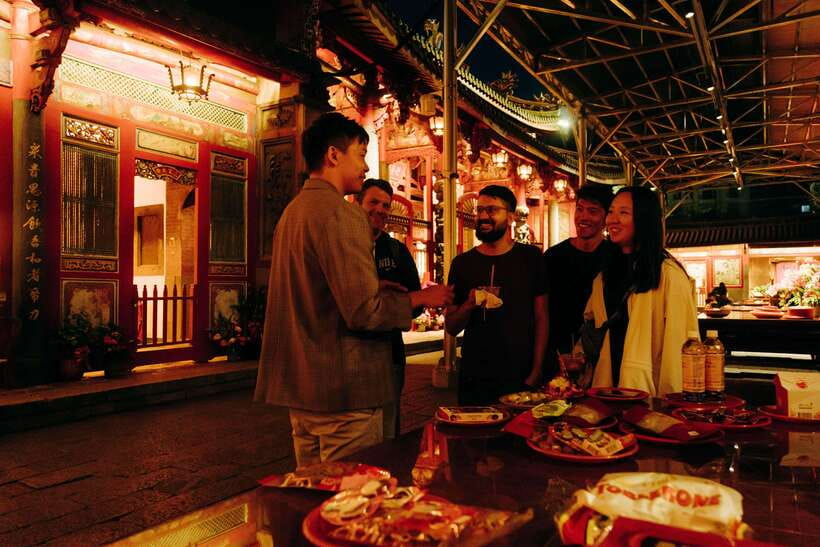
I would recommend this activity to you if you want more than photographs at Longshan Temple. It suits first-time visitors who want a clear introduction to Taiwanese religion, as well as repeat visitors who missed the cultural meaning on an earlier stop.
It is also a good choice if you enjoy:
- Local legends and religious stories
- Walking tours with an English-speaking guide
- Small cultural rituals you can learn about directly
- Questions about how people lived before modern medicine
- Flexible activities with free cancellation up to 24 hours ahead
You may want to choose something else if you need a private tour, a fixed all-inclusive price, or a tightly structured sightseeing program. The supplied information does not state the group size, so you should not assume a private experience. It also does not give a detailed accessibility description, so ask the operator if mobility needs are important for you.
Families may appreciate the stories and the moonstone explanation, but the tour’s suitability will depend on how comfortably everyone handles a two-and-a-half-hour walk and a religious setting. The activity is best approached with respect. Longshan Temple is not simply a backdrop for an outing.
Practical timing and booking advice
The tour takes 2.5 hours, with starting times shown during the availability check. That makes it easy to place beside other Taipei plans, but leave breathing room around it.
Reserve early if you have a fixed schedule, then use the reserve-now-and-pay-later option if you want flexibility. You pay nothing at the time of reservation under that arrangement. If your plans change, cancellation is free up to 24 hours before the activity for a full refund.
Before leaving, save the help page supplied by the operator in case you cannot find the group. At the station, go to Exit 1 and look for the orange badge. Since the location field says Nantou County while the meeting point says Taipei, I would also verify the departure details directly before the day of the tour.
Should you book Taipei’s origin and Longshan Temple tour?
Book it if you want a friendly, story-led introduction to Taipei’s oldest cultural layers and you are comfortable paying the guide separately through a tip. The moonstone ritual, the many specialized gods, and the discussion of healing before doctors give the walk more substance than a standard temple visit.
I would skip it if you want a formal, fixed-price tour with a detailed published itinerary. For everyone else, the $1 reservation price makes this a low-risk way to learn how Taiwanese religion connects with family, study, romance, health, and daily life. Just confirm the Taipei meeting point and remember that the guide’s tip is extra.
FAQ
Where does the tour start?
The tour starts at Longshan Temple Station Exit 1. Look for the guide with an orange badge.
Where does the tour end?
The activity ends back at the meeting point.
How long does the tour last?
The tour lasts approximately 2.5 hours. Starting times are available when you check the booking calendar.
What language is the tour conducted in?
The tour is conducted in English with a live English-speaking guide.
Is the guide’s tip included in the $1 booking fee?
No. The tip for the tour guide is not included in the booking fee.
What will I learn about at Longshan Temple?
You will learn about Taiwanese culture, Buddhism, Taoism, folk gods, the origin of Taipei, and local ways of life. The tour also explains moonstones, fortune reading, and gods connected with learning and romance.
Can I cancel for a full refund?
Yes. You can cancel up to 24 hours in advance for a full refund.
Can I reserve now and pay later?
Yes. The reserve-now-and-pay-later option lets you hold a place without paying at the time of booking.
Just added around Taipei
- Best of Taiwan 9 Days Tour★ 3.5 · 3 reviews
- Iconic Food Tour: Local Street Food, Drinks & Sites★ 4.4 · 3 reviews
- Keelung: Heping Island Geopark Entry Ticket★ 5.0 · 3 reviews
- Keelung Shore Excursion: Private 6H Natural Wonder & Seafood Tour★ 5.0 · 3 reviews
- One-way Private Transfer between Jiufen and Taipei★ 5.0 · 3 reviews
- Private Taichung Instagram Day Tour from Taipei★ 5.0 · 3 reviews
- Full Day Private History Tour in Taipei City★ 4.5 · 3 reviews
- From Taipei: Private Classic Taipei Timeless Treasures Tour★ 5.0 · 3 reviews
Temple & Heritage Walks, compared.
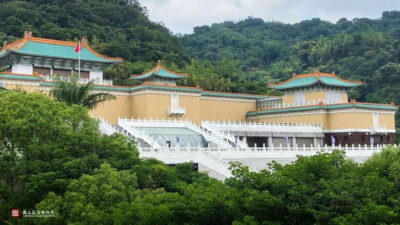
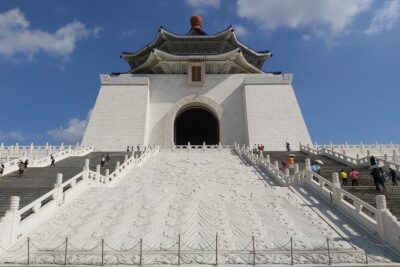
Taipei City Morning Tour with National Palace Museum entry
Read our review →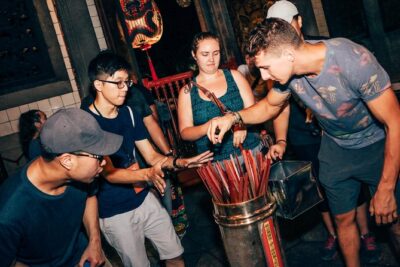
Taipei’s Origin & Longshan Temple – Taiwan Cultural Walking Tour
Read our review →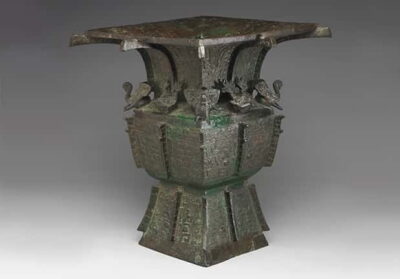
National Palace Museum and Taiwan Aborigines Museum
Read our review →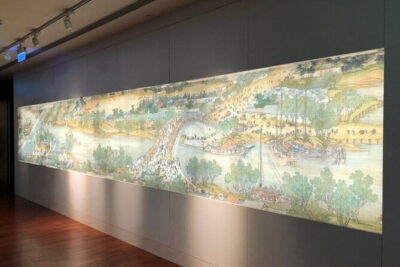

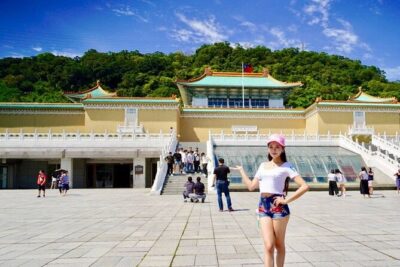
National Palace Museum Northern Branch Taiwan Admission
Read our review →Browse the lists this tour appears in