
Reviewed · TEMPLE & HERITAGE WALKS
Taipei: National Palace Museum and Taiwan Aborigines Museum
Taipei’s two-museum ticket links two very different stories: the cultures of Taiwan’s Indigenous peoples and 5,000 years of Chinese art. Start at the compact Shung Ye Museum of Formosan Aborigines, then walk next door to the National Palace Museum, where the famous jadeite cabbage is only one small part of an enormous collection.
I like the sensible pairing and the freedom to set your own pace. I also like the price: at $15, you get entry to both museums for a full day, which is strong value if you enjoy history and art. The main drawback is that this is not a guided tour, and the audio guide is included only for Shung Ye if you select that option.
- Collect both tickets at Shung Ye first: You must redeem the National Palace Museum ticket there before visiting the larger museum.
- See two very different sides of Taiwan: Shung Ye focuses on the island’s Indigenous tribes, while the National Palace Museum presents Chinese art and imperial-era collections.
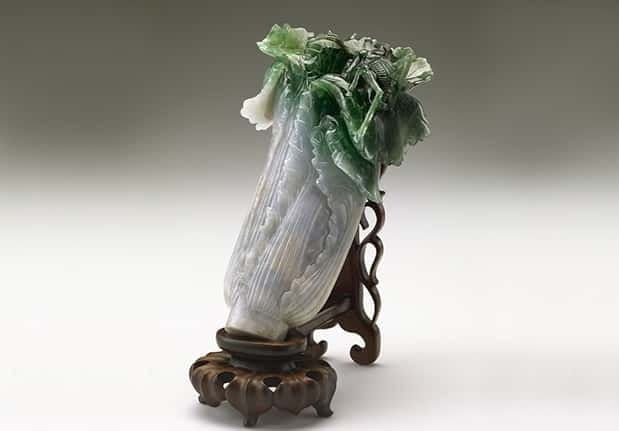
- Look for the jadeite cabbage: The small jade carving is among the National Palace Museum’s best-known objects.
- Allow three to four hours at the National Palace Museum: One detailed visit can easily take much longer than a quick look around.
- Use the optional audio guide at Shung Ye: It adds commentary to the displays and helps explain customs, clothing, festivals, and religion.
- Plan around opening days: Both museums are open Tuesday through Sunday, with later Friday and Saturday hours at the National Palace Museum.
Start at Shung Ye before entering the National Palace Museum
Your first stop must be the Shung Ye Museum of Formosan Aborigines at No. 282, Section 2, Zhi Shan Road, in Taipei’s Shilin District. This matters because you redeem both admission tickets here. Do not head straight to the National Palace Museum and expect to collect the second ticket there.
The easiest stated public transport option is to take bus 255, S18, or S19 from Exit 1 of Shilin MRT Station on the red line. Get off at Wesley Girls High School, written in Chinese as 衛理女中. From there, follow the directions to the museum and allow a little extra time for the transfer, especially if you are working around the museum opening hours.
Shung Ye opens from 9:00am to 5:00pm Tuesday through Sunday. Since the ticket collection has to happen there, an early start makes sense. You can then move to the National Palace Museum without worrying that you have missed the required first step.
The museum is not large, so do not expect the scale of the National Palace Museum. That smaller size is part of its usefulness. You can get a focused introduction to Taiwan’s Indigenous peoples without spending half a day trying to cover a huge institution.
Shung Ye explains Taiwan’s Indigenous cultures
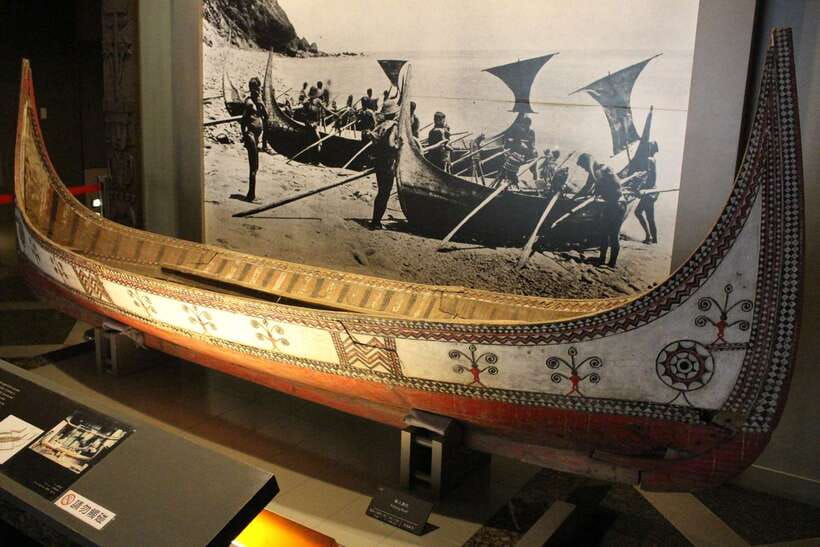
Inside Shung Ye, the displays cover Taiwan’s Indigenous tribes, their daily lives, clothing, festivals, religions, and customs. The material gives you a starting point for understanding the many communities that lived on the island before later waves of settlement and political change.
The museum also addresses the present condition of Indigenous people in Taiwan. That gives the visit more weight than a display of old objects alone. You are not simply looking at costumes and tools as decorative pieces. The films shown in the auditorium add a modern perspective and help connect cultural traditions with life in Taiwan today.
If you choose the ticket option with the Shung Ye audio guide, use it. Lively commentary can make a compact museum easier to follow, particularly when you are unfamiliar with the names and traditions of Taiwan’s Indigenous groups. The basic ticket includes the museum, but not every booking option includes the audio guide, so check the selection before paying.
I would allow roughly an hour or two here, depending on how closely you watch the films and how much time you spend with the audio commentary. The museum’s smaller size also makes it a reasonable stop for families or for anyone who finds giant collections tiring.
One useful point of context: the museum represents Taiwan’s Indigenous cultures as living communities, not just as a chapter that ended in the past. Pay attention to the contrast between historical displays and the films about present conditions. That is where the visit gains much of its value.
More temple and heritage walks in Taipei:
- Taipei: National Palace Museum E-Ticket
★ 4.4 · 273 reviews - Taipei City Morning Tour with National Palace Museum entry
★ 4.0 · 232 reviews - Taipei: Morning City Tour with National Palace Museum Entry
★ 4.6 · 173 reviews
The short walk to the National Palace Museum
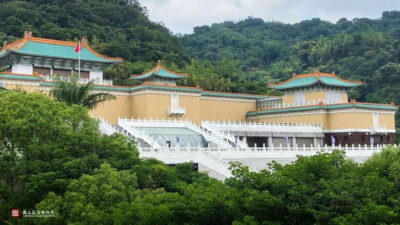
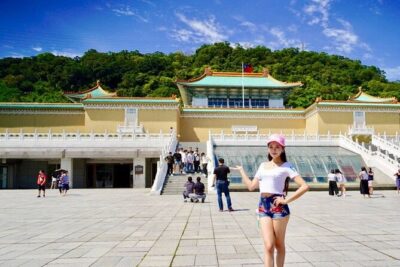
After Shung Ye, take the short walk to the adjacent National Palace Museum. The two museums make an efficient pair because you do not need to arrange another long ride between them.
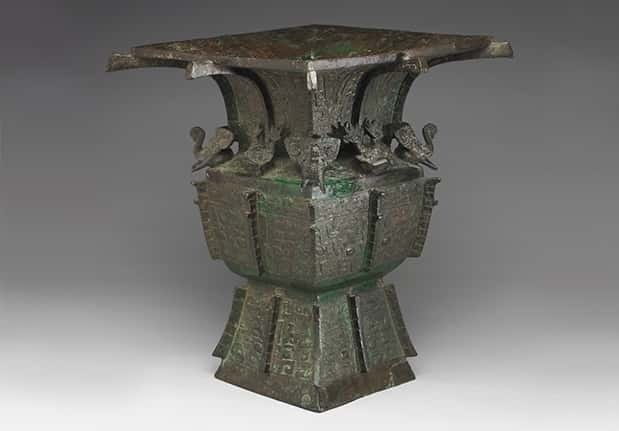
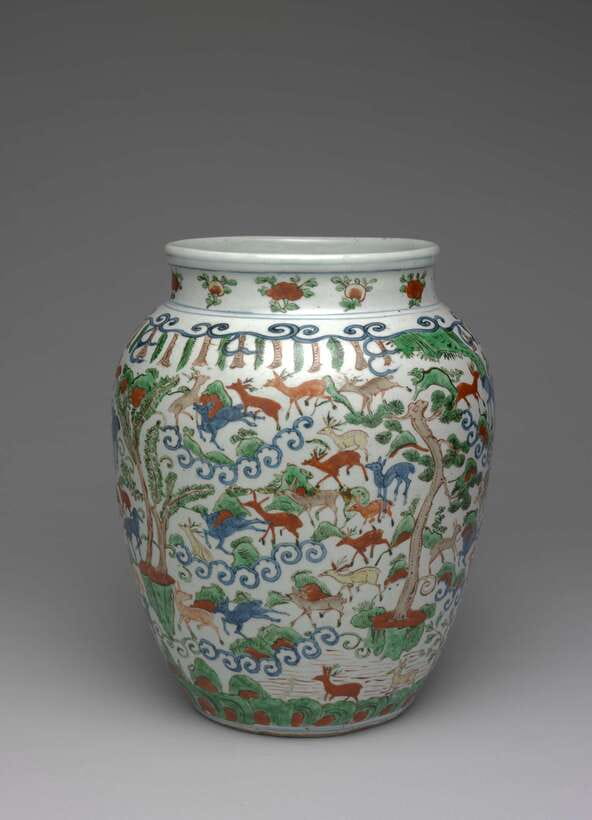
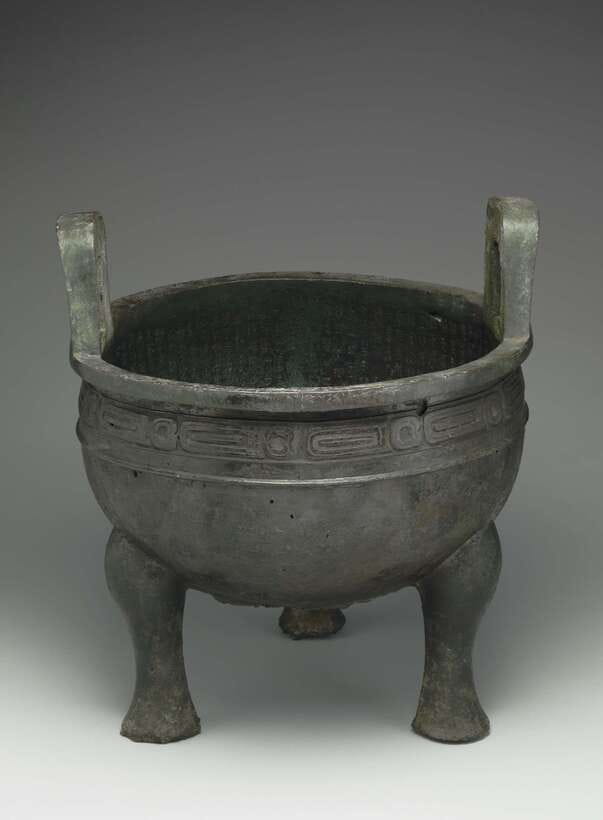
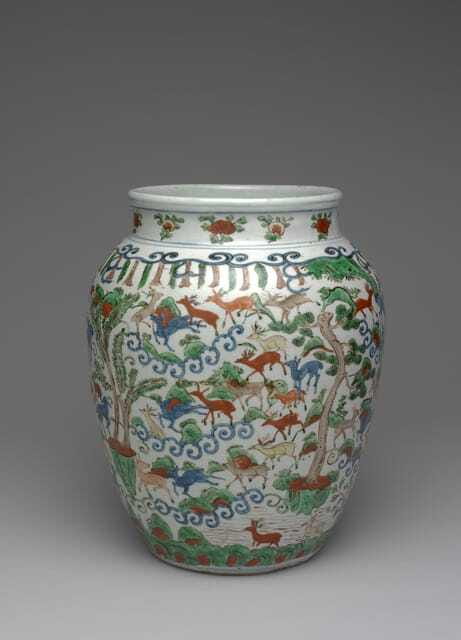
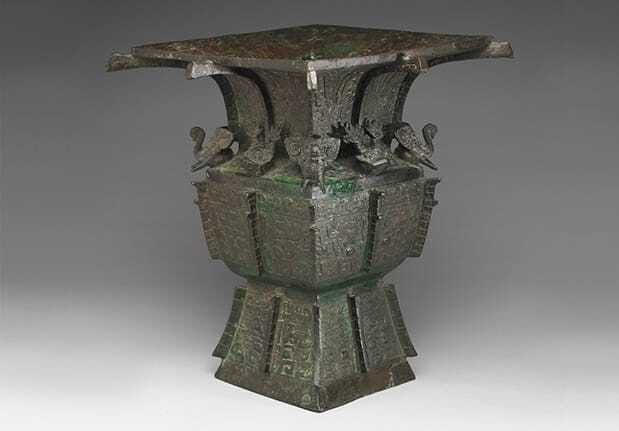
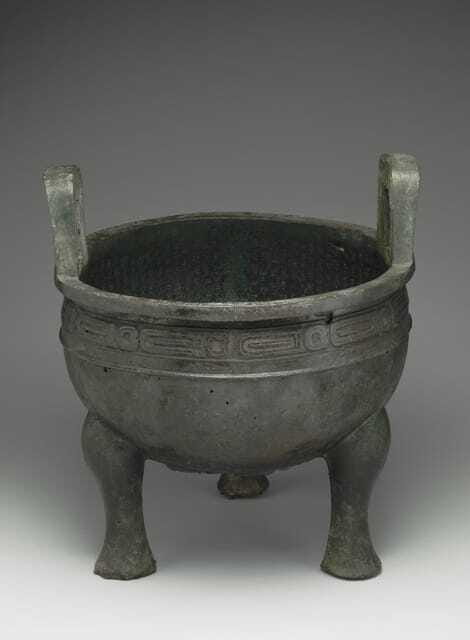
The National Palace Museum is the main event for most people. Its collection includes more than 700,000 pieces of Chinese art, with calligraphy, ceramics, paintings, and other works covering about 5,000 years of Chinese culture and daily life.
That figure can sound intimidating. You do not need to see everything, and you could not sensibly study every object in one visit. The ticket gives you the freedom to choose the rooms and subjects that interest you most. If you prefer ceramics, spend more time there. If calligraphy and paintings are your priority, slow down in those galleries instead.
The museum helps explain how Chinese culture influenced Taiwan, but the experience is not a simple lesson in one country’s past. You are looking at objects connected to changing dynasties, court life, art traditions, writing, religion, and everyday use. The collection provides a broad frame for understanding why Chinese artistic traditions remain important in Taiwan.
Finding the jadeite cabbage
The jadeite cabbage carving is the object many people arrive hoping to see. It is famous for its clever use of the stone’s natural color variations, which suggest the leaves of a cabbage. Small carved insects add to its appeal.
Do not treat the cabbage as the whole reason to visit. It is an engaging object, but the museum’s real strength is the variety around it. Ceramics, calligraphy, and paintings show how styles and practical objects changed across a very long period. Some pieces may grab you immediately, while others reward a slower look at technique and material.
The National Palace Museum is open from 8:30am to 6:30pm Tuesday through Sunday. On Fridays and Saturdays, it stays open until 9:00pm. The later hours are useful if you want to spend the morning at Shung Ye, take a break, and return to the larger collection later in the day.
A substantial visit can last three to four hours, especially if you read labels and pause at the major displays. One short stop is enough to see the headline objects, but it will not give you much sense of the collection as a whole. If ancient art is a major reason for your Taipei visit, plan on making this the larger part of the day.
Why the two museums work well together
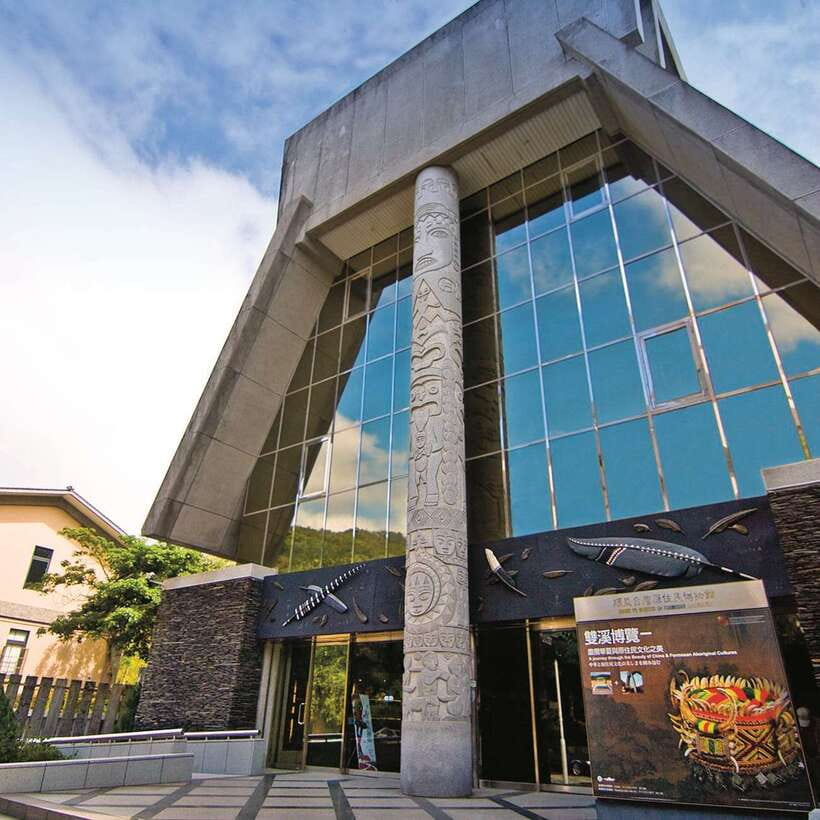
The pairing gives you useful contrast. Shung Ye is about people, communities, identity, and cultural continuity in Taiwan. The National Palace Museum is about an extensive Chinese art collection and the long development of artistic traditions.
That contrast keeps the day from becoming a blur of similar galleries. After looking at Indigenous clothing and learning about festivals or religious practices, you shift to brushwork, ceramics, carved materials, and courtly art. The subjects are different enough to keep your attention moving.
I also like the way the day can correct a common imbalance in Taipei sightseeing. It is easy to focus only on major Chinese collections and overlook Taiwan’s Indigenous peoples. Starting at Shung Ye places Indigenous history at the front of your day rather than treating it as a footnote.
Still, the experience is best for someone who already enjoys museums or wants a substantial cultural day. If you prefer food markets, outdoor sights, or hands-on activities, two museums in one day may feel heavy. The National Palace Museum is especially large, and the self-guided format means you must decide how much detail you want.
A few more Taipei trips worth a look
- Taipei: National Palace & Shung Ye Aborigines Museums Ticket
★ 4.6 · 16 reviews - Taipei National Palace Museum Guided Tour
★ 4.5 · 9 reviews - From Taipei: Thousand-Island Lake & Tea Museum Private Tour
★ 4.7 · 5 reviews - National Palace Museum Northern Branch Taiwan Admission
★ 4.5 · 3 reviews
Getting good value from the $15 price
At $15 per person, the combined admission is a practical buy for a full day of museum access. The value is strongest if you spend several hours at the National Palace Museum and make a real visit to Shung Ye rather than rushing through both buildings to see one famous object.
The ticket is also flexible in a useful way. You are free to explore both museums at your own pace, with no fixed group departure or mandatory route. You can focus on the displays that suit you and move on when your attention starts to fade.
Remember that a National Palace Museum audio guide is not included. The Shung Ye audio guide is included only if you select that option. If you want extra interpretation at the larger museum, check what is available separately rather than assuming both admissions come with identical commentary.
There may also be a locker charge. Filming equipment must be left in the on-site lockers, which cost around TWD20 each. Cameras and flash photography are not allowed, so this is a day for looking rather than building a large photo record.
Bring your passport or another ID card. Children under seven enter free. The experience is wheelchair accessible, which is useful for anyone who needs step-free access to the museums, though the provided information does not describe every route or facility inside.
A practical one-day plan
A simple schedule would begin after Shung Ye opens at 9:00am. Take the bus from Shilin MRT Station, redeem both tickets, and spend enough time at Shung Ye to watch the films or use the audio guide.
Then walk to the National Palace Museum for the larger part of the day. A three to four hour visit gives you time to see the major collection areas without trying to inspect all 700,000 pieces. If you arrive later, the Friday and Saturday closing time of 9:00pm gives you more room.
Keep the museum hours in mind when planning. Both institutions are open Tuesday through Sunday, so Monday is not a suitable day for this combined visit based on the stated hours. The National Palace Museum opens earlier, but that does not help with ticket collection because the first redemption must take place at Shung Ye.
You can cancel up to 24 hours in advance for a full refund, and the reserve-now, pay-later option keeps your plans flexible. Those terms are useful if your Taipei schedule may change, but you still need to verify the available starting times for your chosen date.
Who should choose this museum pairing
I would recommend this day to:
- Anyone interested in Chinese art, calligraphy, ceramics, or paintings
- Visitors who want a clear introduction to Taiwan’s Indigenous tribes
- Families with older children who can handle a museum-focused day
- People who prefer independent sightseeing to a fixed guided group
- Anyone looking for strong cultural value at a low admission price
I would be more cautious if you dislike historical museums or lose interest in large collections. The Shung Ye museum is smaller and focused, but the National Palace Museum is extensive and can feel like too much if you only want a quick cultural stop.
The day also suits repeat visitors to Taipei. The large collection is broad enough that you can spend more time on different sections during a later visit. A return visit may feel quite different from a first stop built around the best-known objects.
Should you book the Taipei museum experience?
Book it if you want two contrasting museums, value independent exploration, and can spare most of a day for art and cultural history. The $15 price is hard to fault when you use both admissions properly, and the short distance between the museums keeps the plan simple.
The strongest reason to choose it is the pairing of Indigenous Taiwan and Chinese art. Shung Ye adds context that you would miss at the National Palace Museum alone, while the larger museum supplies the scale, famous objects, and long artistic record.
Skip it if you want a guided tour with a named expert, frequent outdoor breaks, or a tightly narrated route. This is a self-directed museum day, with optional audio support at Shung Ye rather than a guide leading you from room to room.
FAQ
Where do I collect the tickets?
Redeem both museum tickets first at the Shung Ye Museum of Formosan Aborigines. You must complete this step before visiting the National Palace Museum.
How do I reach Shung Ye from Taipei?
Take bus 255, S18, or S19 from Exit 1 of Shilin MRT Station on the red MRT line. Get off at Wesley Girls High School, or 衛理女中.
Is an audio guide included?
An audio guide for Shung Ye is included only if you select that booking option. An audio guide for the National Palace Museum is not included.
How long is the ticket valid?
The combined ticket is valid for one day. Check availability for the starting times offered on your chosen date.
When are the museums open?
Shung Ye is open from 9:00am to 5:00pm Tuesday through Sunday. The National Palace Museum is open from 8:30am to 6:30pm Tuesday through Sunday, with Friday and Saturday hours extending to 9:00pm.
What should I bring, and can I take photos?
Bring your passport or an ID card. Cameras and flash photography are not allowed, and filming equipment must be placed in on-site lockers, which cost around TWD20 each.
Just added around Taipei
- Best of Taiwan 9 Days Tour★ 3.5 · 3 reviews
- Iconic Food Tour: Local Street Food, Drinks & Sites★ 4.4 · 3 reviews
- Keelung: Heping Island Geopark Entry Ticket★ 5.0 · 3 reviews
- Keelung Shore Excursion: Private 6H Natural Wonder & Seafood Tour★ 5.0 · 3 reviews
- One-way Private Transfer between Jiufen and Taipei★ 5.0 · 3 reviews
- Private Taichung Instagram Day Tour from Taipei★ 5.0 · 3 reviews
- Full Day Private History Tour in Taipei City★ 4.5 · 3 reviews
- From Taipei: Private Classic Taipei Timeless Treasures Tour★ 5.0 · 3 reviews
Temple & Heritage Walks, compared.
Taipei City Morning Tour with National Palace Museum entry
Read our review →
Taipei’s Origin & Longshan Temple – Taiwan Cultural Walking Tour
Read our review →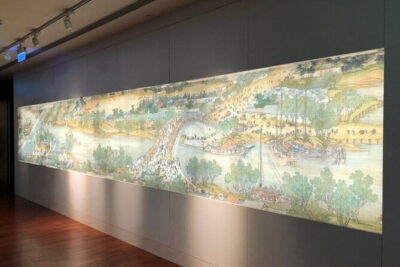
National Palace Museum Northern Branch Taiwan Admission
Read our review →Browse the lists this tour appears in