
Reviewed · KAOHSIUNG & TAINAN TOURS
Tainan Culture Trip: Chinese Tea Ceremony_Oolong Tea
The most interesting part of this Tainan experience is how much it packs into a quiet 90 minutes. At TOT House, King guides you through several Taiwanese oolongs, changing the brewing vessel and cup so you can notice how the same tea experience shifts with different tools. Tea becomes a lesson in taste, craft, and manners, not just a hot drink.
I like the private format, which gives you room to ask very basic questions or get technical about aroma and brewing. I also like the chance to try at least four oolongs, three kinds of cups, a gaiwan, and terracotta teapots without shopping for equipment first.
The main consideration is the setting and age guidance. The front door looks like a normal home, so you must ring the bell, and the session is not suitable for children under five or people with mobility impairments. The listing also says it is wheelchair accessible, so contact King before booking if mobility access matters to you.
Key points at a glance
- Five or more Taiwanese oolongs may be served: The tasting lets you compare floral, fruity, woody, and roasted notes.
- King leads the session in English: He explains tea production, Taiwanese tea culture, Tainan, and brewing techniques.
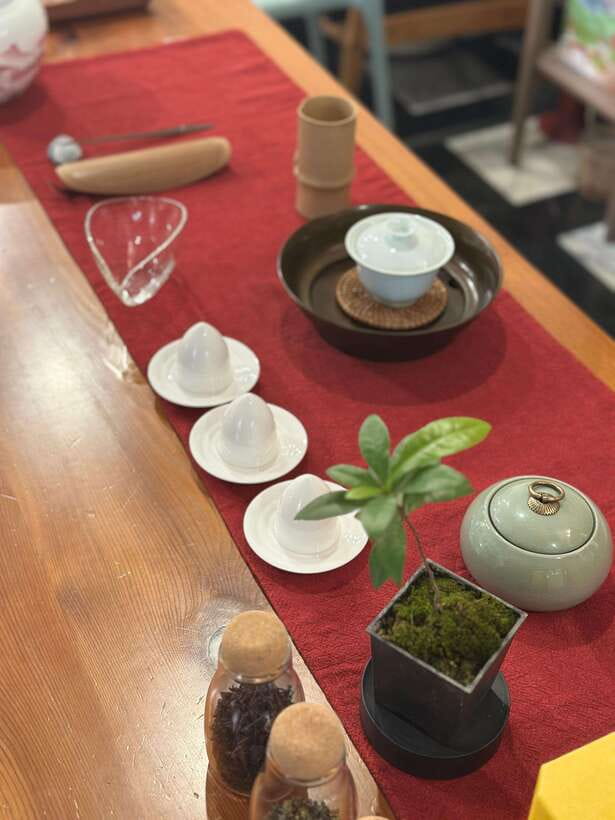
- Teaware is part of the lesson: You will see a gaiwan and terracotta teapots, then use at least three cup shapes and textures.
- The ceremony is private: The $50 price covers a group of up to two people, making it a good choice for couples or friends.
- The pace is calm and deliberate: You learn how to accept a cup, show gratitude, and pay attention to each infusion.
- Plan around a few rules: Avoid strong perfume, put away your cellphone, and do not record video during the ceremony.
A small Tainan house with a serious tea table
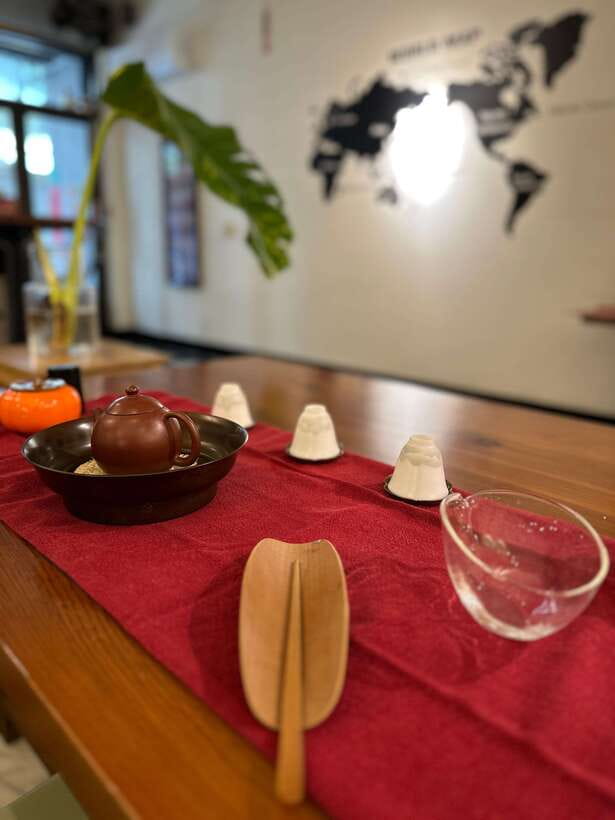
Your meeting point is the Tainan TOT House, short for Taiwan Oolong Tea House. Do not expect a large shopfront with a bright sign. The front door looks like an ordinary household entrance. When you arrive, press the bell.
That home-like setting helps explain the tone of the session. This is not a crowded tasting counter where you are rushed through tiny samples. It is a private appointment for up to two people, with King serving tea and talking through the details at a measured pace.
The 90-minute length is about right for the format. You have enough time to taste several teas, compare vessels, ask questions, and learn basic brewing methods without turning the session into a full-day tea course. If you are squeezing this into a short stay in Tainan, it can fit neatly between sightseeing stops.
The ceremony is conducted in English. King is described as warm, funny, and easy to talk with, and he adjusts the discussion for beginners and experienced tea drinkers. That matters here. Tea language can become fussy very quickly, but a good host helps you connect words such as floral, roasted, light, or smooth to what is actually in your cup.
More Kaohsiung and Tainan trips:
- 5-Day Best of Taiwan: Sun Moon Lake, Tainan, Kaohsiung, Hualien
★ 5.0 · 578 reviews - Private Custom Kaohsiung Day Tour
★ 5.0 · 81 reviews - Kaohsiung Private Tour – Discover Local Hidden Gems
★ 5.0 · 34 reviews
Starting with the story of Chinese tea
The session begins with context. You learn about the origins of tea in China, the main types of tea, and the place of oolong among them. This introduction gives the tasting a useful frame, because you are not simply told that one tea is greener or darker than another. You learn why processing changes the aroma, color, and feel of the drink.
Oolong sits between lightly processed green tea and more fully oxidized black tea, though the exact range is broad. That is why the category can include teas with fresh floral qualities as well as teas with roasted, woody notes. King uses the tasting to show that range rather than treating oolong as one fixed flavor.
The cultural discussion extends beyond the cup. Tea has a role in social customs, ritual courtesies, daily life, and traditional Chinese medicine. You will also hear about tea’s place in Taiwan, which makes this more useful than a generic ceremony imported from somewhere else.
I especially like this part for first-time tea drinkers. It gives you a way to organize what you taste. You can ask why a tea smells fruity, why another feels toasted, or why several infusions from the same leaves seem to change.
Tasting four or more oolongs, slowly
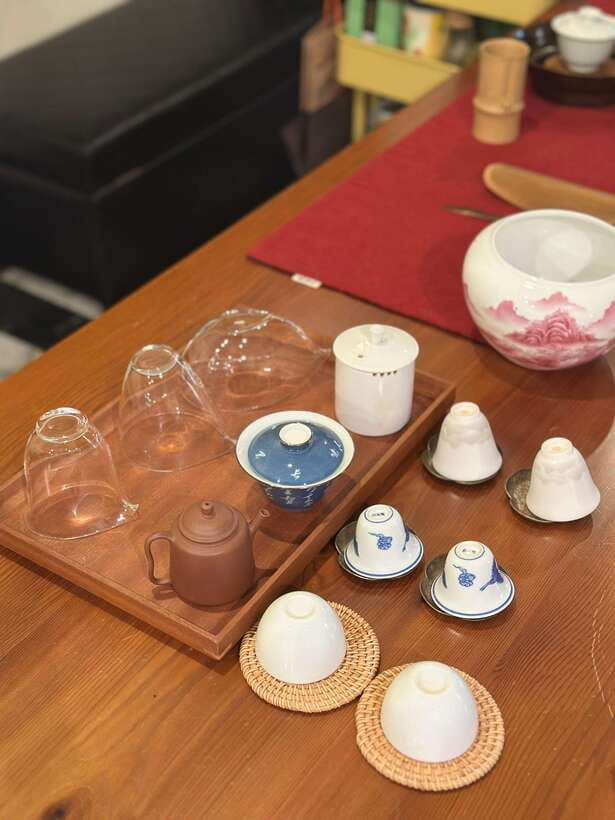
The tasting is the heart of the experience. You sample at least four kinds of oolong, and some sessions include five. The purpose is comparison. You are encouraged to notice the dry leaves, the aroma, the taste, and the changes that arrive with later infusions.
Do not expect every cup to taste alike. Oolong can show floral, fruity, woody, or roasted notes, and the range is part of the lesson. One tea may seem delicate at first, while another has a stronger toast-like character. The important point is not memorizing names. It is learning to pay attention.
King talks about flavor and feel as well as tea history. That is useful because taste is only one part of the experience. A tea can feel light, thick, soft, dry, or warming in the mouth. You might notice a new aroma after the tea cools slightly, or find that a later brew tastes less sharp and more rounded.
This is also where the slow pace earns its keep. The ceremony encourages you to stop checking the time and follow the tea from one infusion to the next. I would not book this if you want a quick sample and a purchase recommendation in 20 minutes. I would book it if you like the idea of sitting still long enough to notice small changes.
Gaiwan, terracotta teapots, and the work of good teaware
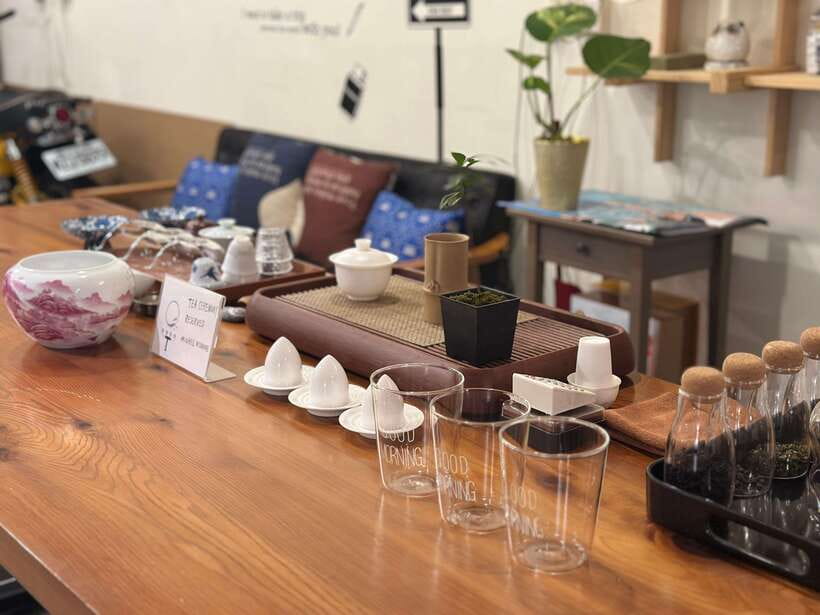
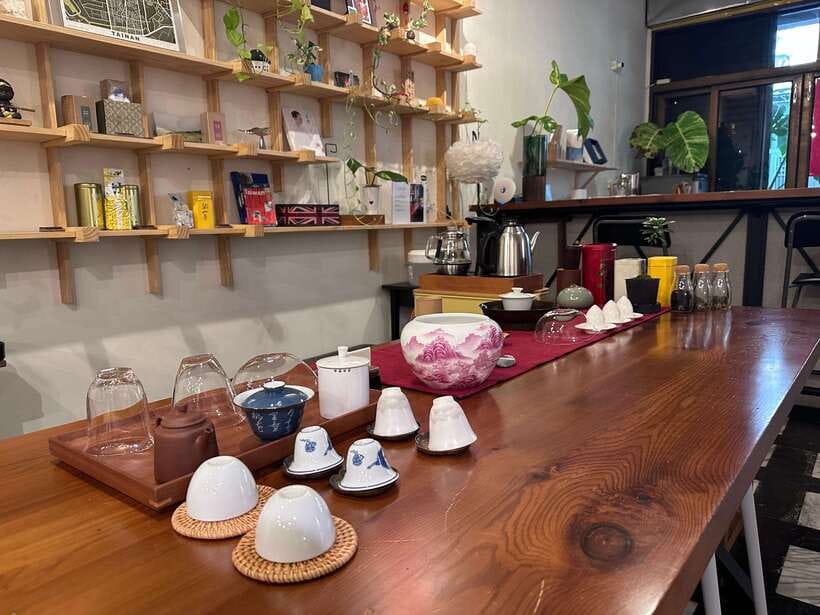
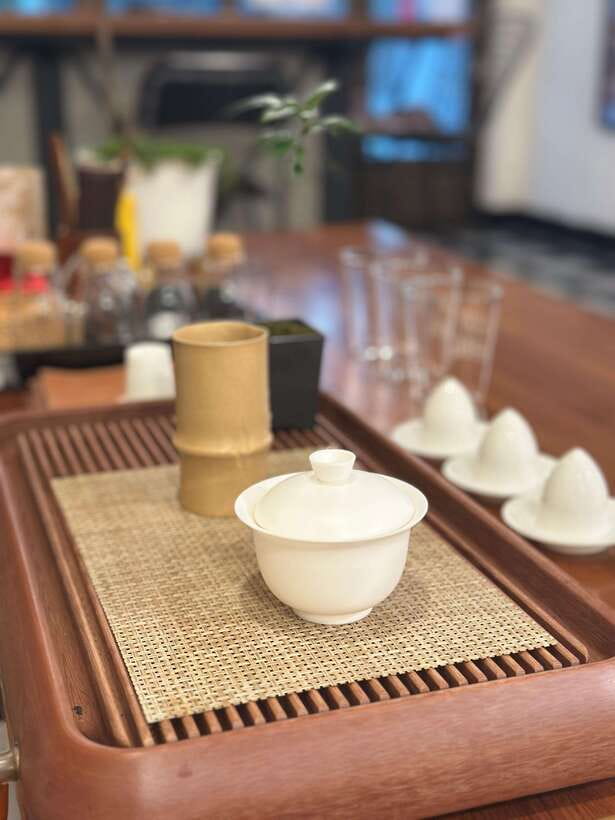
The equipment is not decoration. You will see and appreciate at least two brewing tools, including a gaiwan and terracotta teapots. A gaiwan is a lidded bowl used for brewing and pouring tea. Its open design makes it easy to observe the leaves and control the infusion.
Terracotta teapots give you a different connection with the leaves. The shape, material, and handling become part of the lesson. King uses different pots with different teas, allowing you to compare the tools as well as the liquid.
You also try at least three types of tea cups with different shapes and textures. This is one of the most memorable details because a cup changes how you hold, smell, and taste the tea. A narrow cup can direct aroma differently from a wider one, while texture changes the feel of the ritual in your hands.
For anyone interested in ceramics, this adds real value to the $50 price. You are not only paying for multiple pours. You are getting an introduction to the relationship between tea and handmade objects, including the tray, pot, gaiwan, cups, and other small utensils.
King has also shared pottery insights and calligraphy during the session. These details help connect tea to wider Chinese and Taiwanese arts, though the exact balance of discussion can vary with your questions.
Same island, a completely different kind of day:
- From Taipei: Shifen, Jiufen, and Yehliu Guided Day Trip
★ 4.6 · 1,654 reviews - Full-Day Private Custom Taipei City Tour
★ 5.0 · 911 reviews - From Taipei: Yehliu, Jiufen, and Pingxi Day Tour
★ 4.7 · 892 reviews - Taipei: Jiufen Night View and Shifen Day Tour
★ 4.6 · 870 reviews
Learning how to behave at the tea table
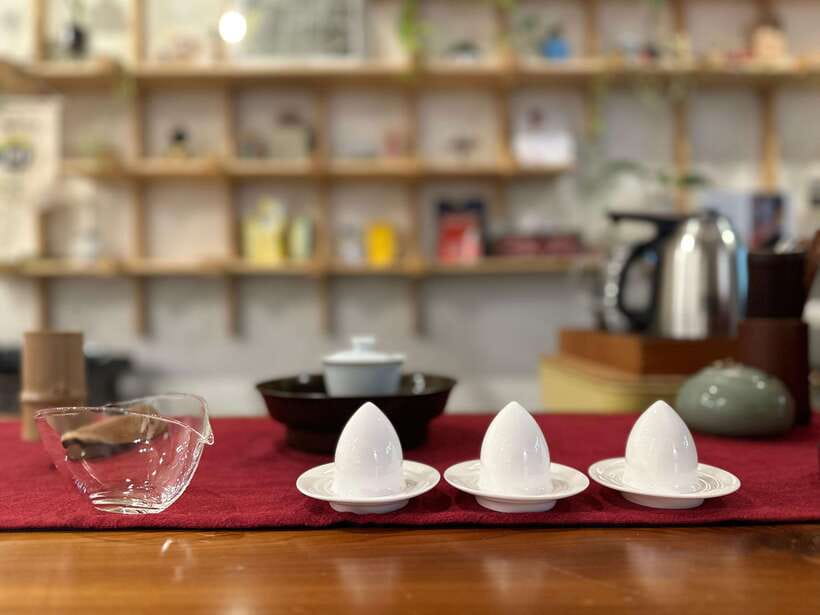
A Chinese tea ceremony has its own manners. King explains how to accept a cup, how to show thanks, and how to behave during the different stages of serving. These gestures are small, but they help you understand that the ceremony is built around respect and attention.
You do not need prior knowledge. The instruction is aimed at all levels, from someone who normally drinks tea from a bag to a serious tea enthusiast. The point is not to perform perfectly. It is to understand why the actions exist and how they support hospitality.
The no-cellphone rule is worth taking seriously. Video recording is not allowed, and the guidance asks you to keep your phone away during the ceremony. That may be inconvenient if you like documenting every stop, but it protects the quiet mood and keeps the meeting focused on the host, the tea, and the people at the table.
Strong perfume is also discouraged. This is practical, not fussy. Fragrance can cover the aroma of the tea, especially with delicate oolongs. Wear something neutral and let the leaves do the talking.
The host makes the difference
King is the central reason this session feels personal rather than mechanical. He explains tea in English, answers questions, and talks about Tainan as well as brewing. His easy manner suits a private appointment, where a rigid script would feel out of place.
He has helped visitors with short Tainan visits by suggesting places to eat and things to see. One visitor with a tight train schedule was able to rearrange the session and received suggestions for nearby temples. That kind of local conversation can add useful value to a tea appointment, though you should arrange any timing changes directly with King.
The session can also become more than a formal lesson if you are interested. You might ask about buying Taiwanese tea, making tea at home, calligraphy, pottery, or the differences between the cups. King has recommended local tea shops, and one participant planned to buy Taiwanese tea after the session.
I would describe the tone as friendly and conversational, not solemn. There is a ceremony, but there is also room for humor and ordinary talk. That balance is helpful if you like culture presented by a person rather than as a museum lecture.
Is $50 good value for two people?
The price is $50 per group of up to two people. For a couple or two friends, that works out to $25 each, before any booking terms or currency conversion. The fee includes the guided ceremony, at least four oolong tastings, multiple brewing vessels, and at least three cup styles.
That is good value if you would otherwise pay for separate tastings, a formal cultural lesson, and a chance to handle quality teaware. The private format matters, too. You are not sharing the host’s attention with a large bus group.
There are limits. Transportation to the house is not included, and no meal is provided. The session also focuses on tea rather than a broad food tour or a full Tainan history walk. If your main goal is lunch, shopping, or sightseeing, this will not replace those activities.
The best value comes when you take part actively. Ask why one tea tastes roasted, compare the cups, try the basic brewing method, and follow the etiquette lesson. If you simply want a cup of tea while someone talks, you will get less from the fee.
Who should book this Tainan tea ceremony?
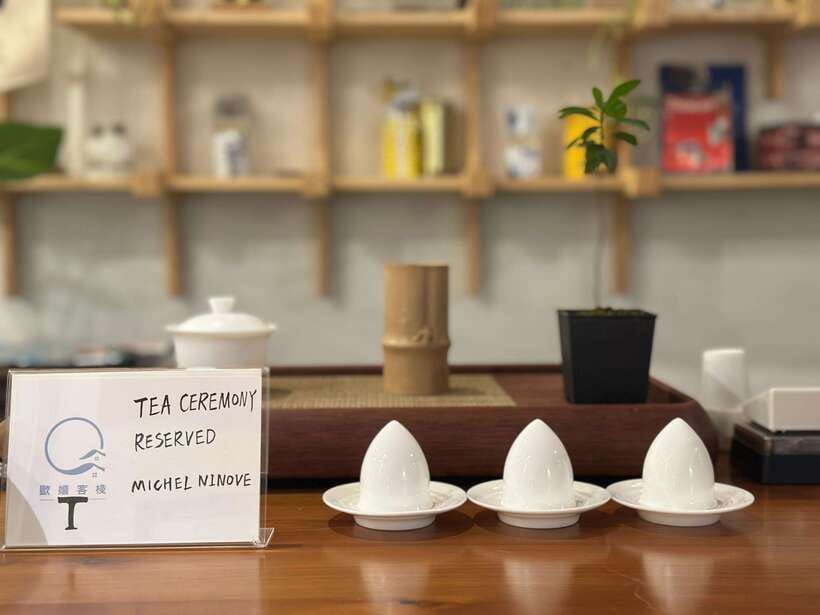
This is a strong fit for tea beginners because you can ask simple questions without feeling out of place. It also suits experienced tea drinkers who want to compare Taiwanese oolongs and see how different vessels affect the session.
Couples and friends get the clearest value from the private group price. Solo visitors can still book, but the cost is the same group rate. The English instruction makes it practical for international visitors, and the calm format gives you a pleasant pause from a busy sightseeing schedule.
It is less suitable for children under five. People with mobility impairments should check access details before booking because the information describes the activity as wheelchair accessible but also says it is not suitable for people with mobility impairments. That wording is worth clarifying with the host.
You should also be comfortable following the house rules: no smoking, no video recording, no cellphone use during the ceremony, and no strong perfume.
Booking details worth knowing
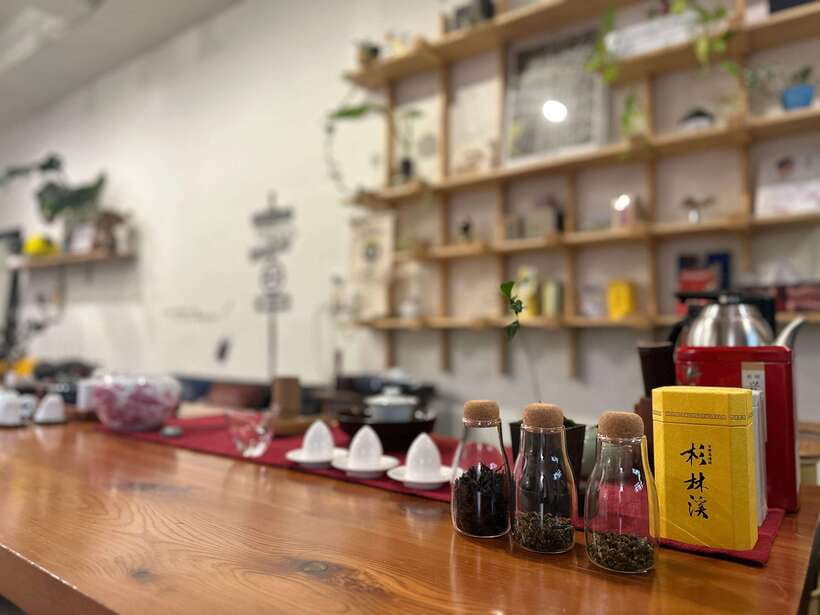
The session lasts 90 minutes, with starting times shown according to availability. You meet at TOT House in southern Taiwan, at a front door that looks like a normal residence. Press the bell when you arrive.
After booking, contact King by WhatsApp or email at [email protected]. This is especially important if you need to discuss arrival instructions, mobility access, or a schedule affected by a train.
The activity offers free cancellation up to 24 hours in advance for a full refund. You can also reserve now and pay later, which is useful if your Tainan plans are still shifting.
Should you book the TOT House tea ceremony?
Book it if you want a personal introduction to Taiwanese tea rather than a quick drink with a few facts attached. King’s English explanations, the range of oolongs, the changing teaware, and the private setting give the 90 minutes real substance.
I would especially recommend it to tea-curious visitors spending only a short time in Tainan. You leave with a better sense of how oolong can taste, how tea etiquette works, and how to brew more carefully at home. You may also leave with a few food, temple, or tea-shop ideas for the rest of your day.
Skip it if you dislike quiet sit-down activities, cannot follow the phone and recording rules, or want transportation and a meal included. For everyone else, $50 for up to two people is a fair price for a focused cultural experience that feels human, practical, and genuinely connected to Taiwan.
FAQ
Where does the Chinese tea ceremony take place?
It takes place at the TOT House, also called the Taiwan Oolong Tea House, in Tainan. The front door looks like a normal household entrance, so press the bell when you arrive.
How long does the ceremony last?
The tea ceremony lasts 90 minutes.
How much does the experience cost?
The price is $50 per private group of up to two people.
Is the ceremony conducted in English?
Yes. The instructor conducts the ceremony in English.
How many teas will I taste?
You will taste at least four different oolong teas. Some sessions include five Taiwanese oolongs.
Which tea equipment will I see and use?
The session includes at least two brewing utensils, including a gaiwan and terracotta teapots. You will also try at least three tea cups with different shapes and textures.
Is transportation included?
No. Transportation to and from the TOT House is not included.
Are meals included?
No. Meals are not included.
Can I use my cellphone or record video?
No. Cellphones and video recording are not allowed during the ceremony. Strong perfume is also discouraged because it can affect the tea aroma.
Can I cancel the booking?
You can cancel up to 24 hours in advance for a full refund. The activity also offers a reserve-now, pay-later option.
Just added around Taiwan
- Iconic Food Tour: Local Street Food, Drinks & Sites★ 4.4 · 3 reviews
- Keelung: Heping Island Geopark Entry Ticket★ 5.0 · 3 reviews
- Best of Taiwan 9 Days Tour★ 3.5 · 3 reviews
- One-way Private Transfer between Jiufen and Taipei★ 5.0 · 3 reviews
- Keelung Shore Excursion: Private 6H Natural Wonder & Seafood Tour★ 5.0 · 3 reviews
- Private Taichung Instagram Day Tour from Taipei★ 5.0 · 3 reviews
- 8-Hour Customize Your Wonderful Private Hualien Day Tour★ 5.0 · 3 reviews
- Full Day Private History Tour in Taipei City★ 4.5 · 3 reviews
Kaohsiung & Tainan Tours, compared.
5-Day Best of Taiwan: Sun Moon Lake, Tainan, Kaohsiung, Hualien
Read our review →
Kaohsiung Private Tour – Discover Local Hidden Gems
Read our review →
Private 4-Day Central & Southern Taiwan Tour (Sun Moon Lake, Kaohsiung, Kenting)
Read our review →
Kaohsiung: Private City Tour with Fo Guang Shan Museum
Read our review →

Browse the lists this tour appears in