
Reviewed · WALKING TOURS
2-Hour Private Dadaocheng Walking Tour
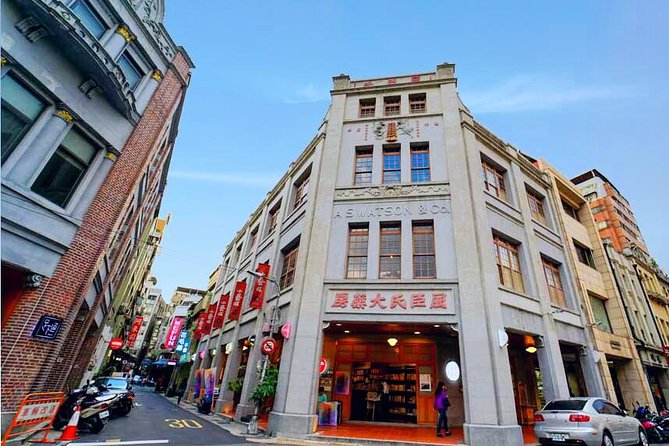
Dadaocheng is where Taipei’s past feels most visible: old trading streets, tea and herb shops, fabric stalls, temple rituals, and the Tamsui River all fit into one compact district. I like that this private walking tour connects those pieces instead of treating Dihua Street as a quick photo stop. I also like the route from Beimen Station to the wharf, which gives the outing a clear beginning and end.
The two-hour format works well for a first look, and guides such as Isabella, Alex Feng, and May Ei have been praised for being organized, friendly, and well-informed. The main trade-off is simple: you walk the whole way, and the tour does not include food, drinks, or transportation.
Key points to know before you book
- A short route with a clear story: Follow Dadaocheng’s change from trading port to restored old-town district.
- Four useful stops: Dihua Street, Yongle Textile Market, Taipei Xia Hai City God Temple, and Dadaocheng Wharf.
- A private experience: Only your group takes part, so questions and pacing can be more personal.
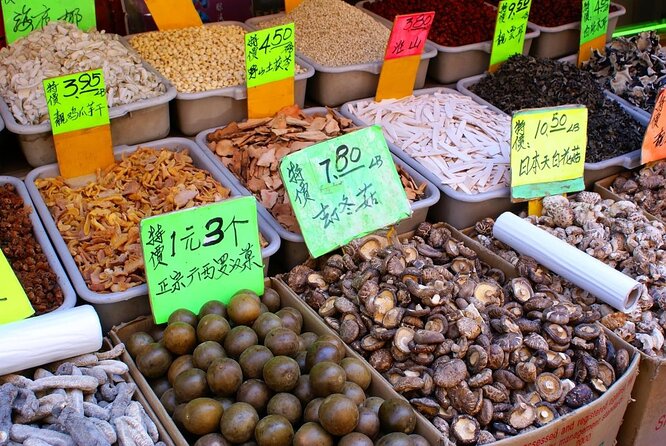
- Local culture beyond buildings: Learn about tea, herbs, textiles, clothing, temple customs, and daily life.
- A practical city walk: Meet at Beimen MRT Station Exit 2 and finish at the wharf.
- Good value at $35: The price is reasonable if you want context and conversation rather than a self-guided stroll.
Why Dadaocheng makes a good Taipei walking tour
Taipei has plenty of polished shopping areas and modern towers, but Dadaocheng gives you a different view of the city. Its importance began with trade. In the late Qing period and during the Japanese era, the district became a major harbor and commercial center, with foreign merchants setting up offices connected to tea, cotton, and silk.
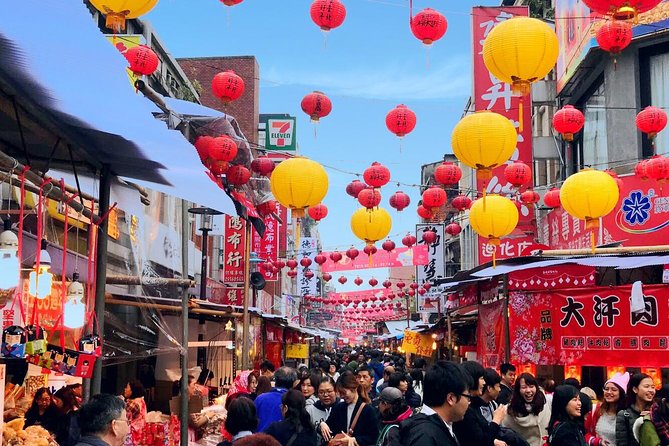
That history still shapes the streets you walk today. Dihua Street is not simply an old-looking lane preserved for visitors. It remains associated with traditional goods, textiles, tea, herbs, food, and festival shopping. The tour helps you connect those everyday businesses with Taipei’s wider development.
I appreciate the scale of the route. You are not spending two hours crossing half of Taipei or sitting in a vehicle between attractions. Instead, you move through one district on foot, with the guide explaining why the shops, buildings, temple, and river belong in the same story.
The city government began giving Dadaocheng renewed attention in 2005. That effort brought new life to older buildings and helped support art galleries and cultural activity. The result is a district where historic façades and older businesses sit beside newer creative spaces. You get a sense of change without losing the neighborhood’s working character.
A few more Taipei trips worth a look
- Taipei Historic Shared Walking Tour
★ 5.0 · 189 reviews - Taipei Old Town – Taiwan Introduction Walking Tour (Tip-Based)
★ 5.0 · 175 reviews - [Private Tour] Shilin Night Market Walking Tour With a Private Tour Guide (2-hr)
★ 5.0 · 123 reviews
Starting at Beimen Station and entering the old town
The meeting point is Beimen MRT Station, Exit 2, in Taipei’s Datong District. This is a sensible place to begin because you can reach it by public transportation, and the route then leads naturally into Dadaocheng.
At the start, your guide can set the scene: this was once a commercial gateway shaped by river trade and overseas business. That context matters. Without it, Dihua Street can look like a collection of attractive old shops. With it, the street becomes part of a much larger story about Taiwan’s trade in tea, cotton, silk, herbs, and other goods.
The experience lasts about two hours, so expect a steady walking pace rather than a long stop at every shop. The time may change because of traffic or weather. Since the entire journey is outdoors and on foot, wear comfortable shoes and clothing. Taipei’s heat, rain, or crowded streets can make a short walk feel much longer if you are not prepared.
Dihua Street: tea, herbs, buildings, and daily life
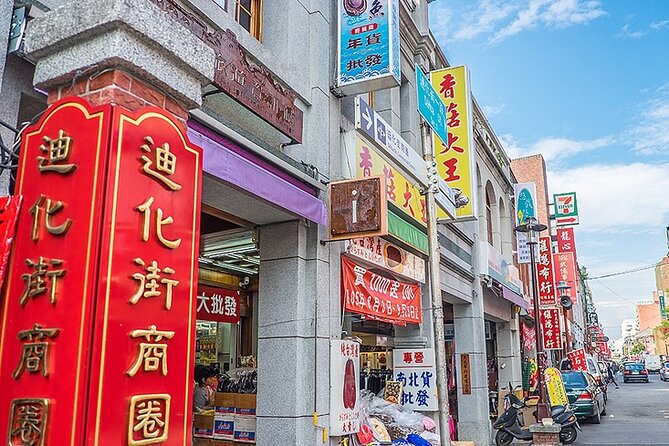
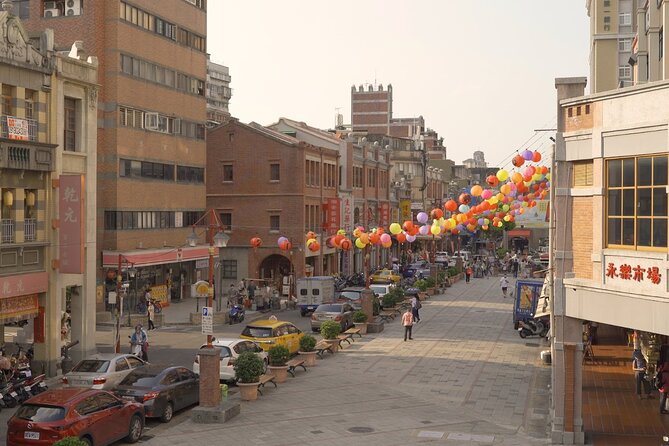
The first main stop is Dihua Street, with about 50 minutes set aside for the district. This is where the tour does most of its work.
Dihua Street and Dadaocheng reflect Taipei’s growth as a center for international trade and business. The buildings provide the visual clue, but the guide adds the useful part: what was sold here, how merchants operated, and how the district developed through the late Qing and Japanese periods.
You can expect the guide to point out traditional food, tea culture, clothing, building styles, and local habits. The experience is especially useful if you want to understand how commerce and home life overlap in Taipei. Herbal medicine and tea are not treated as abstract museum subjects. They are part of the district’s living commercial culture.
This is also the stop where a private format has the most value. You can ask about a tea shop, a building detail, a familiar ingredient, or a custom that catches your attention. A larger group would need to keep moving. With only your party, the guide can spend more time on the parts that interest you most, as long as the schedule allows.
Do not expect a formal tasting menu or a shopping allowance. Meals are not included, and the tour description does not promise tastings or purchases. You are there to understand the area, not to receive a basket of products.
The street can also feel busy and commercial rather than quiet or museum-like. That is part of its appeal, but it may surprise anyone expecting a perfectly preserved historic quarter. I would approach Dihua Street as a working neighborhood with historic layers, not as a staged open-air exhibit.
Yongle Textile Market and Taiwan’s fabric trade
The visit to Yongle Textile Market lasts about 10 minutes. It is a short stop, but it adds an important piece to the Dadaocheng story.
Here, the focus is Taiwan’s textile industry. The market helps explain why fabric, clothing, and trade are central to the district’s identity. You may see a more practical side of local commerce, where materials and clothing traditions matter as much as architecture.
Ten minutes is enough for an introduction, but not enough for a long shopping session or detailed browsing. If you have a strong interest in sewing, fabric, or traditional clothing, tell your guide early. The private setting gives you a better chance to ask focused questions, though the overall tour still has to stay within roughly two hours.
This stop also helps prevent the experience from becoming only a temple and old-street walk. Dadaocheng’s story is about business as much as belief or design. The textile market makes that clear.
Same island, a completely different kind of day:
- From Taipei: Shifen, Jiufen, and Yehliu Guided Day Trip
★ 4.6 · 1,654 reviews - Full-Day Private Custom Taipei City Tour
★ 5.0 · 911 reviews - From Taipei: Yehliu, Jiufen, and Pingxi Day Tour
★ 4.7 · 892 reviews - Taipei: Jiufen Night View and Shifen Day Tour
★ 4.6 · 870 reviews
Taipei Xia Hai City God Temple and local belief

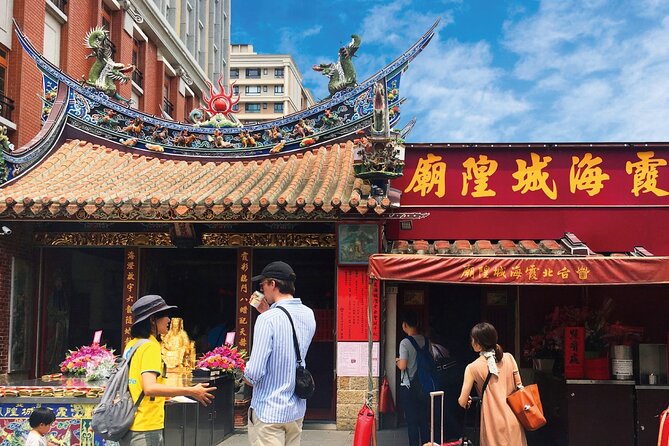
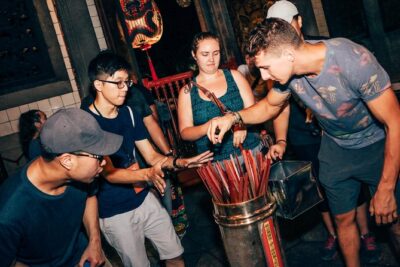
The route then reaches Taipei Xia Hai City God Temple, a century-old place of worship, for about 30 minutes. This is one of the strongest cultural stops because it lets you see how religion fits into everyday life in Taiwan.
Your guide explains Taiwanese religious customs and the meaning of temple practice. You can also make a wish for prosperity and peace. The temple is associated with prayers for romance and happy relationships, which helps explain its appeal to younger people as well as older worshippers.
Approach the temple with respect rather than as a quick photo opportunity. The value lies in learning what people are doing, why they pray, and how the temple fits into the neighborhood. If you are unfamiliar with Taiwanese religious traditions, this explanation can make the visit much easier to understand.
Thirty minutes is a useful amount of time. It gives you room to observe the space and ask questions without turning the visit into a lengthy religious tour. The guide can also connect the temple to the surrounding businesses, since temples historically helped anchor local communities and commercial streets.
As with any active place of worship, the atmosphere may not be predictable. People may be praying, making offerings, or coming in for personal reasons. Your guide should help you take part appropriately, but you should still follow basic courtesy, keep your voice low, and avoid treating worshippers as scenery.
Dadaocheng Wharf and the Tamsui River finish
The final stop is Dadaocheng Wharf, with about 30 minutes planned at the waterfront. The walk ends here, so you do not return to Beimen Station.
The wharf gives the tour a strong closing image. Dadaocheng grew through river and harbor trade, and the Tamsui River helps you picture how goods and people once moved through the district. After seeing the shops, market, and temple, the waterfront completes the connection between local streets and wider commerce.
This is also a good place to pause after the denser streets of Dihua Street. You can take in the river setting and reflect on how Taipei’s commercial geography has changed. The wharf is not just a scenic ending. It explains why Dadaocheng became important in the first place.
The end point matters for planning. If you have another activity near Beimen afterward, allow time to get back. The tour does not include transportation, and there is no return transfer to the starting station. On the other hand, finishing at the wharf works well if you want to continue exploring the waterfront on your own.
What the private format adds at $35
At $35 per person, this is priced as an accessible introduction rather than a full-day specialist tour. The value depends on how much you want from a guide.
If you simply want to walk Dihua Street, take photographs, and look into a few shops, you can do that independently. Taipei is easy to explore, and the district does not require an expensive ticket to enter. The fee pays for the explanation, route planning, language support, and chance to ask questions.
I think the price makes the most sense for a first visit, especially if you want to understand tea, herbs, textiles, temple customs, and the old harbor in one outing. You are also getting a private activity, not a large shared group. That can matter if your party has a particular interest or prefers a quieter pace.
The tour includes a licensed English-speaking guide and insurance. It does not include meals, transportation, or stated shopping benefits, so budget separately if you want to buy tea, food, fabric, or herbal products.
The experience is often booked well in advance, with an average of 53 days. That suggests you should reserve ahead if your Taipei dates are fixed. Confirmation is provided at booking, and group discounts are available, which may improve the value for a larger party.
Guides and the quality of the explanation
The guide can make or break a short walking tour. Two hours leaves little room for vague commentary, so organization matters.
Guides connected with this experience include Isabella, Alex Feng, and May Ei. Isabella has been described as organized and able to connect temple practice, herbal medicine, and fabrics. Alex Feng is noted for arriving early, bringing friendly enthusiasm, and explaining the market area, Taiwan’s history, and merchant culture. May Ei is associated with a strong explanation of the district’s historic side.
Those details point to the kind of service you should expect: a guide who keeps the route moving while adding context at each stop. The best use of your time is to ask questions as you go. For example, you might ask how a textile market fits into the old trading district, why the temple attracts younger worshippers, or how the river shaped Dadaocheng’s business life.
Because guide assignments can vary, I would not book expecting one particular person unless the provider confirms that arrangement. The important point is the subject matter and private structure, not a guaranteed personality.
Walking demands, weather, and practical planning
The whole tour takes place on foot. The total distance is not provided, so you should prepare for continuous city walking rather than assume the stops are directly beside one another.
Comfortable shoes are essential. The route includes streets, markets, a temple, and a waterfront, so you will move between different settings instead of spending most of the time indoors. The tour may also be adjusted because of traffic or weather.
The experience requires good weather. If poor weather forces a cancellation, you can receive a different date or a full refund. For your own comfort, consider the season and bring suitable protection from sun or rain, though those items are not supplied as part of the tour.
Most people can participate, and service animals are allowed. Still, the walking requirement is the key condition. If you have limited stamina or need frequent seated breaks, ask about the route before booking. The available information does not promise a vehicle, rest stops, or an adapted itinerary.
The mobile ticket is convenient, and the meeting point is near public transportation. Plan to arrive at Beimen MRT Station Exit 2 with enough time to find the guide. The walk finishes at Dadaocheng Wharf, not at the starting point.
Free cancellation is available until 24 hours before the start time. A cancellation made less than 24 hours ahead is not refundable, and late changes are not accepted. That policy is worth noting because the tour depends on suitable weather.
Who will get the most from this two-hour route
I would recommend this walk to anyone who wants a compact introduction to old Taipei without spending half a day in museums. It suits first-time visitors, couples, families, and small groups who prefer a guide’s explanation to a printed map.
It is particularly useful if you are curious about the less obvious parts of Taiwanese culture. The route covers trade, textiles, tea, herbs, clothing, architecture, religious practice, and river commerce. That is a lot of ground in two hours, but the subjects belong together.
It also suits shoppers who want context before buying. You may understand Dihua Street’s tea, fabric, or herbal businesses better after hearing how the district developed. Just remember that shopping and meals are not included, so purchases are your own choice and expense.
I would be less likely to choose it if you have already spent substantial time in Dadaocheng or want a slow photography walk. The schedule is fairly tight, and the guide must cover four stops before reaching the wharf. It may also be a poor fit on a very hot or rainy day if you dislike walking outdoors.
Should you book the Dadaocheng walk?
Book it if you want local context in a short format, especially if this is your first time in Dadaocheng. The route gives you more than old buildings: you see how trade, textiles, tea, herbs, faith, and the river shaped this part of Taipei.
At $35 per person, the private format offers fair value for a small group that wants an English-speaking guide and room for questions. Wear good shoes, allow for a one-way finish at the wharf, and keep your expectations focused on culture and interpretation rather than included food or shopping.
Skip it if you prefer to explore entirely alone, need a vehicle, or want a leisurely half-day visit with long stops. For most visitors who want an efficient and human introduction to Taipei’s old commercial quarter, this is a practical choice.
FAQ
Where does the Dadaocheng walking tour start?
The tour starts at Beimen MRT Station, Exit 2, in Datong District, Taipei.
Where does the tour end?
The walking tour ends at Dadaocheng Wharf in Datong District. It does not return to Beimen Station.
How long does the experience last?
The tour lasts approximately two hours. The duration may be adjusted because of traffic or weather.
Is the tour private?
Yes. Only your group participates in this private tour or activity.
What does the price include?
The price includes a licensed English-speaking guide and insurance. Group discounts are available.
Are meals and transportation included?
No. Meals and transportation are not included. The entire tour takes place on foot.
Can I cancel for a full refund?
You can cancel at least 24 hours before the experience start time for a full refund. Cancellations or changes made less than 24 hours before the start time are not accepted for a refund. If poor weather causes the provider to cancel, you can choose another date or receive a full refund.
Just added around Taipei
- Best of Taiwan 9 Days Tour★ 3.5 · 3 reviews
- Iconic Food Tour: Local Street Food, Drinks & Sites★ 4.4 · 3 reviews
- Keelung: Heping Island Geopark Entry Ticket★ 5.0 · 3 reviews
- Keelung Shore Excursion: Private 6H Natural Wonder & Seafood Tour★ 5.0 · 3 reviews
- One-way Private Transfer between Jiufen and Taipei★ 5.0 · 3 reviews
- Private Taichung Instagram Day Tour from Taipei★ 5.0 · 3 reviews
- Full Day Private History Tour in Taipei City★ 4.5 · 3 reviews
- From Taipei: Private Classic Taipei Timeless Treasures Tour★ 5.0 · 3 reviews
Walking Tours, compared.
Taipei Old Town – Taiwan Introduction Walking Tour (Tip-Based)
Read our review →![[Private Tour] Shilin Night Market Walking Tour With a Private Tour Guide (2-hr)](https://pic4.discoveringtaiwan.com/wp-content/uploads/private-tour-shilin-night-market-walking-tour-with-a-private-tour-guide-2-hr-400x267.jpg)
[Private Tour] Shilin Night Market Walking Tour With a Private Tour Guide (2-hr)
Read our review →

Vintage Taipei – Best of Taiwan & Sunset Walking Tour (Tip-based)
Read our review →
Taipei’s Origin & Longshan Temple – Taiwan Cultural Walking Tour
Read our review →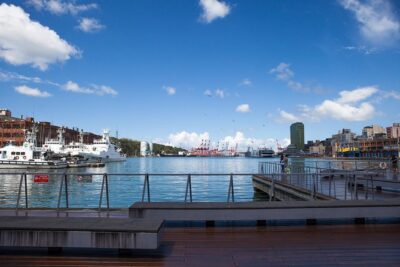
Private Keelung Cultural Walk: Markets, Streets & Local Life
Read our review →Browse the lists this tour appears in